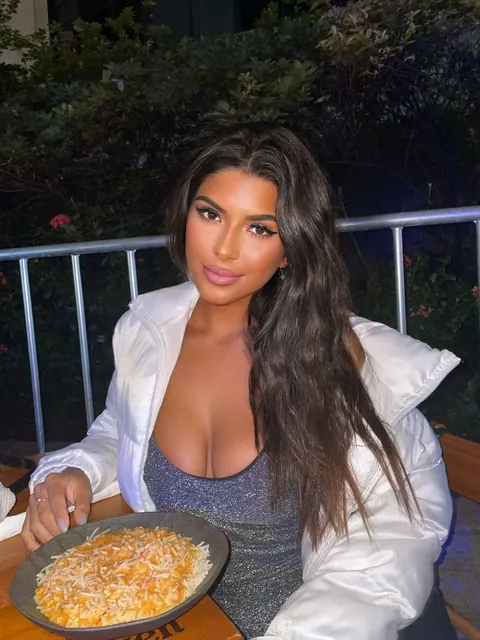
Brazilian women come from a deeply mixed population: Indigenous, Portuguese, African, Italian, German, Japanese and Lebanese roots all meet in a country of more than 200 million people. That mix explains why there is no single "Brazilian look", and why the beauty, warmth and family focus people associate with Brazilian women grow out of culture and daily habits more than genetics. This guide covers who they are, how beauty culture works in Brazil, family and faith, careers, language, and what dating a Brazilian woman is really like.
Who Brazilian women are: one country, many roots
Brazil's population was shaped by five centuries of arrivals. Indigenous peoples lived there first, and their words and foods are still part of everyday life (mandioca, açaí, many place names). Portuguese colonists brought the language and Catholicism. Millions of Africans were brought by force during the slave trade, and their descendants shaped Brazilian music, religion and cooking, especially in Bahia. In the late 1800s and early 1900s, Italians, Germans, Spaniards, Japanese, Lebanese and Syrians settled in large numbers, mostly in the South and Southeast.
The result is visible on any street in São Paulo. A woman named Yamamoto may speak only Portuguese, a woman with blond hair and blue eyes may have grandparents from Pomerania, and a woman with Lebanese ancestry may cook kibbeh on Sundays next to feijoada. São Paulo has the largest Japanese community outside Japan, centered in the Liberdade district. Many Brazilians describe themselves as pardo (mixed), and families often include several skin tones and hair types in one generation.
Regional differences
Where a woman grew up tells you more about her than any stereotype. Brazilians themselves talk about regions constantly, and a few broad tendencies are worth knowing:
- Southeast (São Paulo, Rio de Janeiro, Belo Horizonte): the economic center. Women in São Paulo are often career-driven and busy; Rio is known for beach life and a relaxed social rhythm; Minas Gerais for home cooking and a quieter, family-centered style.
- South (Porto Alegre, Curitiba, Florianópolis): strong Italian and German heritage, a cooler climate, gaúcho traditions and chimarrão (mate tea). People are often described as more reserved at first.
- Northeast (Salvador, Recife, Fortaleza): Afro-Brazilian culture, forró music, long beaches and some of the largest Festa Junina celebrations in the country.
- North (Manaus, Belém): the Amazon region, with the strongest Indigenous influence in food and customs.
- Center-West (Brasília, Goiânia): the capital, government jobs and a population that moved there from every other state.
Beautiful Brazilian women and the culture of self-care
Ask why Brazilian women have a reputation for beauty, and the honest answer is habit. Taking care of yourself is a normal, visible part of life in Brazil, and it starts young. A weekly or biweekly manicure is ordinary for many women, and the neighborhood salon works as a social space where friends talk for an hour while getting their nails or hair done. Many women budget for these visits the way Americans budget for a gym membership.
Hair gets special attention. Brazil gave the world the escova progressiva (known abroad as the Brazilian blowout), and salons offer long menus of treatments for curly, wavy and straight hair. In recent years many Brazilian women with curly and coily hair have stopped straightening it and wear it natural, a trend you will see in advertising, on television and on the street.
Daily hygiene habits surprise visitors too. Many Brazilians shower more than once a day in the heat, and brushing teeth after lunch at work is common. Sunscreen, moisturizer and perfume are everyday purchases, and Brazilian cosmetic brands such as Natura and O Boticário are found in almost every shopping mall.
Fitness and beach culture
In coastal cities, the beach is where people exercise and meet friends. On a Sunday in Rio you will see women running or cycling along the calçadão (the beachfront promenade), playing beach volleyball or footvolley, and using free outdoor gyms near the sand. Gyms (academias) are popular in every big city, and group classes like functional training, dance and pilates fill up after work. The point for most women is feeling healthy and confident; few treat it as a competition.
Fashion and style
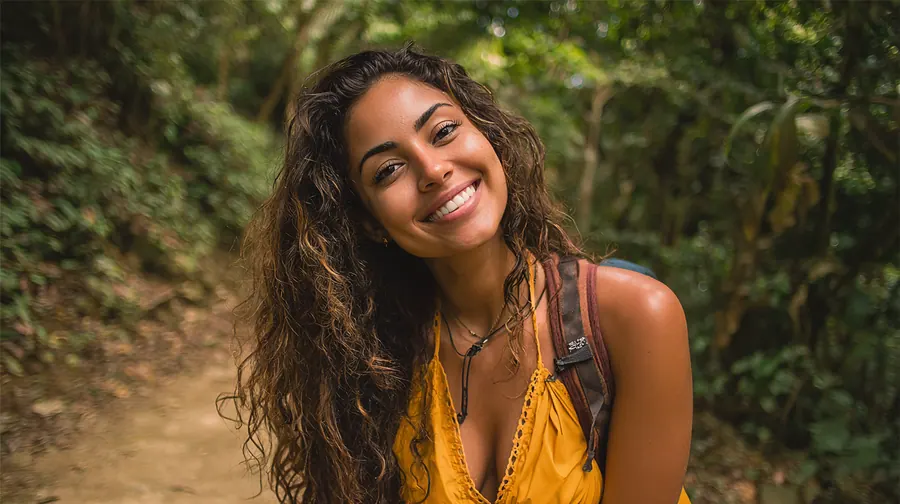
Brazilian style follows the climate: light dresses, bright colors, prints, sandals and, of course, Havaianas flip-flops, which started in Brazil. Women in São Paulo dress more like New Yorkers (darker colors, sharper office clothes), while Rio leans casual even at dinner. For weddings, graduations and birthday parties, though, Brazilian women dress up carefully, with hair and makeup done, and they notice when a man makes an effort too. If you visit her family, ironed clothes and clean shoes say more than an expensive watch.
Personality: tendencies, not rules
Every woman is an individual, so read these as patterns many foreigners notice, and expect plenty of exceptions:
- Open and expressive. Brazilians talk about feelings easily, laugh loudly and show affection in public.
- Social. Plans grow: a coffee for two can turn into dinner with cousins. Friendships last for decades.
- Direct about relationships. If she is interested, she usually lets you know, and she will want to know your intentions early.
- Relaxed about time. Arriving 15 minutes late to a social event is normal; being late for work is a different matter.
- Resilient. Many women have managed inflation, long commutes and family responsibilities since their teens, and they value a partner who is steady and reliable.
Family and faith
Family sits at the center of Brazilian life. Many adults live with their parents until marriage, grandparents often help raise children, and Sunday lunch with the extended family is a weekly ritual in many homes. Godparents (padrinhos) are treated like close relatives. When a Brazilian woman talks about the future, she usually includes her mother, her siblings and her nieces in the picture.
Most Brazilians are Christian. Catholicism remains the largest faith, and evangelical churches have grown quickly over recent decades, especially in cities. Afro-Brazilian religions such as Candomblé and Umbanda also have followers, mainly in Bahia and Rio. Faith shapes the calendar: Christmas, Easter, Festa Junina in June and many local saints' days. On dating profiles, many women mention church or say that values matter to them, and it is worth asking about it respectfully.



Education and careers
Brazilian women work in every field, and in recent decades more women than men have finished university in Brazil. You will meet nurses, teachers, lawyers, engineers, dentists, accountants and entrepreneurs who run their own beauty or food businesses. Many women study at night after work, and a university diploma is a source of family pride.
Careers matter to them, which is something to discuss honestly if a relationship turns serious and one of you may move. A Brazilian professional degree often has to be revalidated abroad before she can work in the same field, so talk about her plans early instead of assuming she will stay home.
Language
Brazilians speak Portuguese, and calling it Spanish is one of the fastest ways to annoy a Brazilian woman. Many younger women in big cities learned some English at school or online, while others feel shy about writing in it. A few phrases from you help a lot: bom dia (good morning), tudo bem? (how are you?), saudade (missing someone). Translation tools on dating sites make the first weeks easier, and learning Portuguese together often becomes part of the relationship.
What dating a Brazilian woman is like
Expect warmth, plenty of communication and a fast pace. Brazilian couples message several times a day, often by voice note, call each other amor early and meet the family sooner than American couples do. She will likely want a clear answer about where things are going, because Brazilians separate casual dating (ficar) from an official relationship (namorar). Valentine's Day in Brazil falls on June 12, Dia dos Namorados, and forgetting it is a classic mistake.
We cover first dates, greetings, family visits and common mistakes in our guide to Brazilian dating culture. If you are thinking about the longer term, read the pros and cons of marrying a Brazilian woman as well.
Famous Brazilian women everyone knows
Lists of the most beautiful Brazilian women usually feature models and actresses, but the best-known Brazilian women abroad are famous for what they have done:
- Gisele Bündchen. Born in Horizontina, Rio Grande do Sul, to a family of German descent, she became one of the most successful fashion models in the world and has worked on environmental causes.
- Marta Vieira da Silva. The footballer from Alagoas was named FIFA World Player of the Year six times and is widely considered one of the greatest players in the history of women's football.
- Anitta. The pop singer from Rio de Janeiro records in Portuguese, Spanish and English and is one of the most streamed Brazilian artists internationally.
- Fernanda Montenegro. The stage and screen actress was the first Brazilian nominated for the Academy Award for Best Actress, for the film Central Station.
- Adriana Lima. The model from Salvador, Bahia, became known worldwide through her long run as a Victoria's Secret Angel.
Between them they come from the South, the Northeast and Rio, which says something about how much talent comes from every part of the country.
Where to meet Brazilian women
If you live outside Brazil, the realistic start is an international dating site with a Brazilian section, followed by a trip once you have talked on video. Our rating of Brazilian mail order bride sites compares the options, and you can browse profiles of Brazilian women who are members of GoldenBride. Whatever site you use, never send money to someone you have not met; our scam checklist explains the usual scripts.
Brazilian women FAQ
What ethnicity are Brazilian women?
Brazilian is a nationality, and it covers many ethnic backgrounds. Brazilian women may have Indigenous, Portuguese, African, Italian, German, Japanese, Lebanese or mixed ancestry, often several of these at once.
Why are Brazilian women considered so beautiful?
Mostly because of culture: regular salon visits, careful hair care, an active outdoor lifestyle in coastal cities and a habit of dressing up for social events. The country's mixed heritage also means a wide range of looks.
Do Brazilian women speak Spanish?
Their language is Portuguese. Some understand Spanish because the languages are related, and some speak English, especially younger women in large cities.
Are Brazilian women religious?
Many are. Most Brazilians are Catholic or evangelical, and faith often shapes family life and holidays, though attitudes vary from devout to secular.
Who is the most famous Brazilian woman?
Internationally, Gisele Bündchen and Marta Vieira da Silva are probably the best known, followed by Anitta, Adriana Lima and actress Fernanda Montenegro.
How can I meet a Brazilian woman from the US?
Join an international dating site with a Brazilian section, talk on video before you plan a trip, and meet her in her own city first. Our site rating shows where most women from Brazil are.